In the face of the wear of time, we must act.
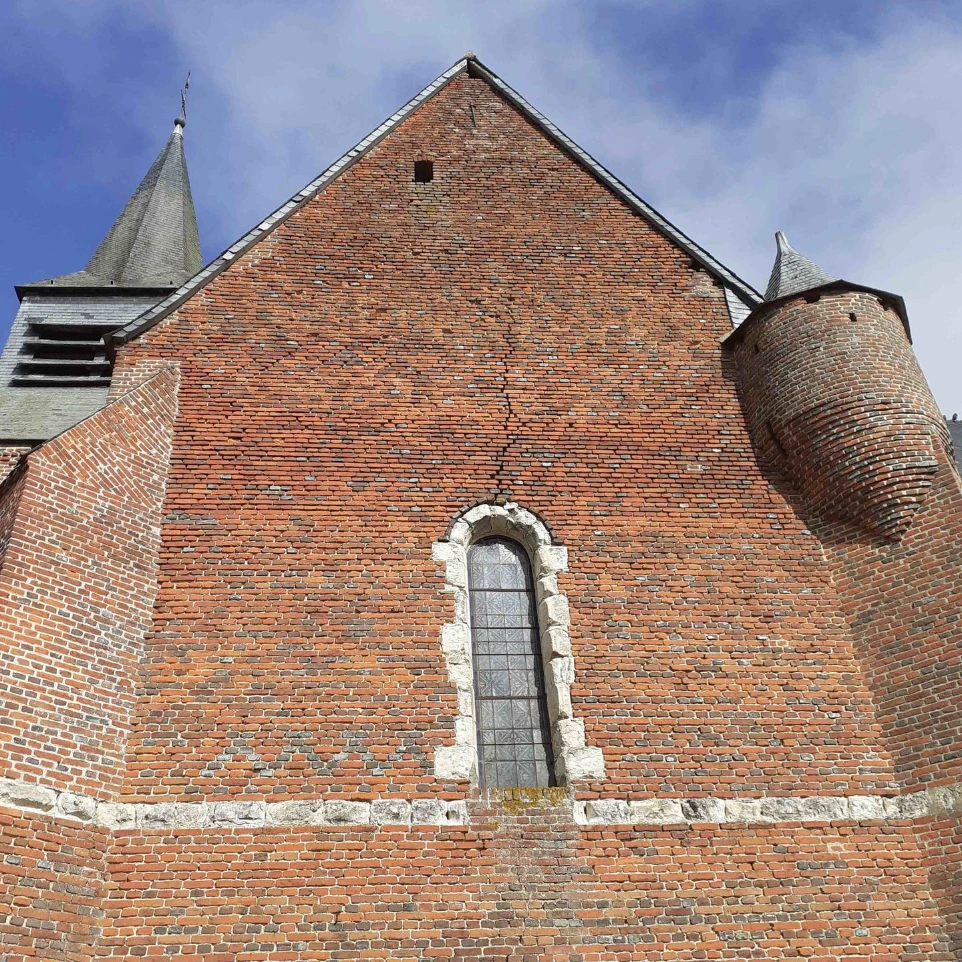
Crack in the wall
Present for many decades, this crack does not pose any particular risk today but is a witness to the structural history of the building.
A few examples of the wounds of time on this building.
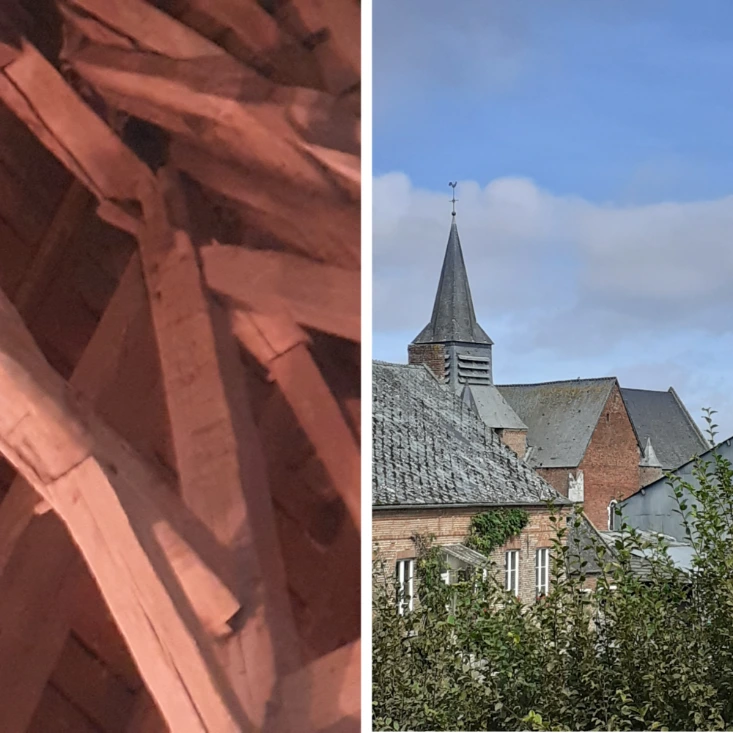
Sliding of the truss feet
The wooden supports located at the base of the trusses are beginning to lose their ability to keep the structure in place, which can lead to a gradual displacement of the framework outward.
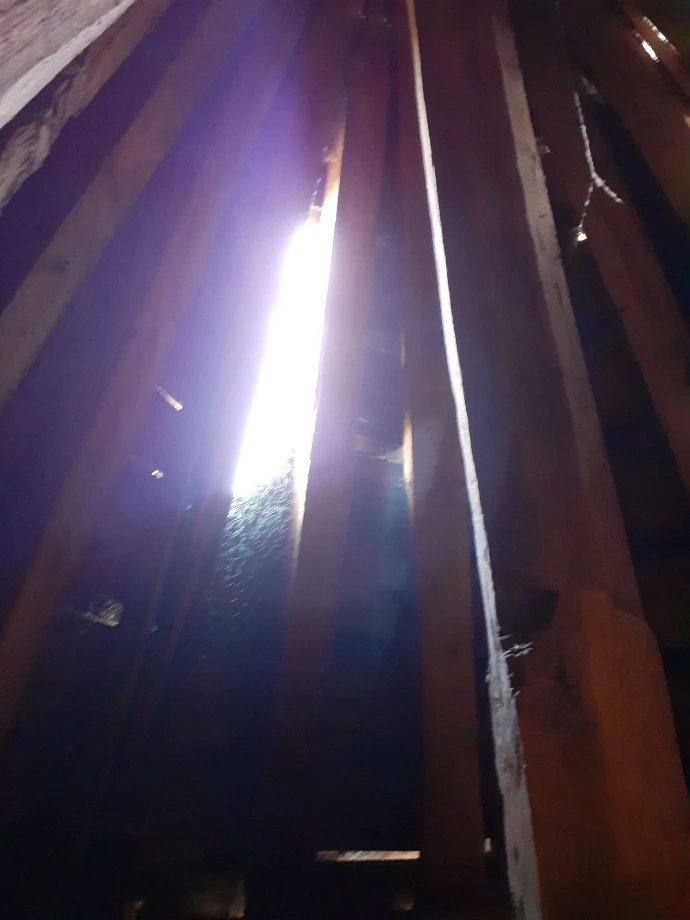
Roof holes
The openings in the covering allow water and moisture to enter, accelerating the degradation of the timber framing and the masonry they protect.
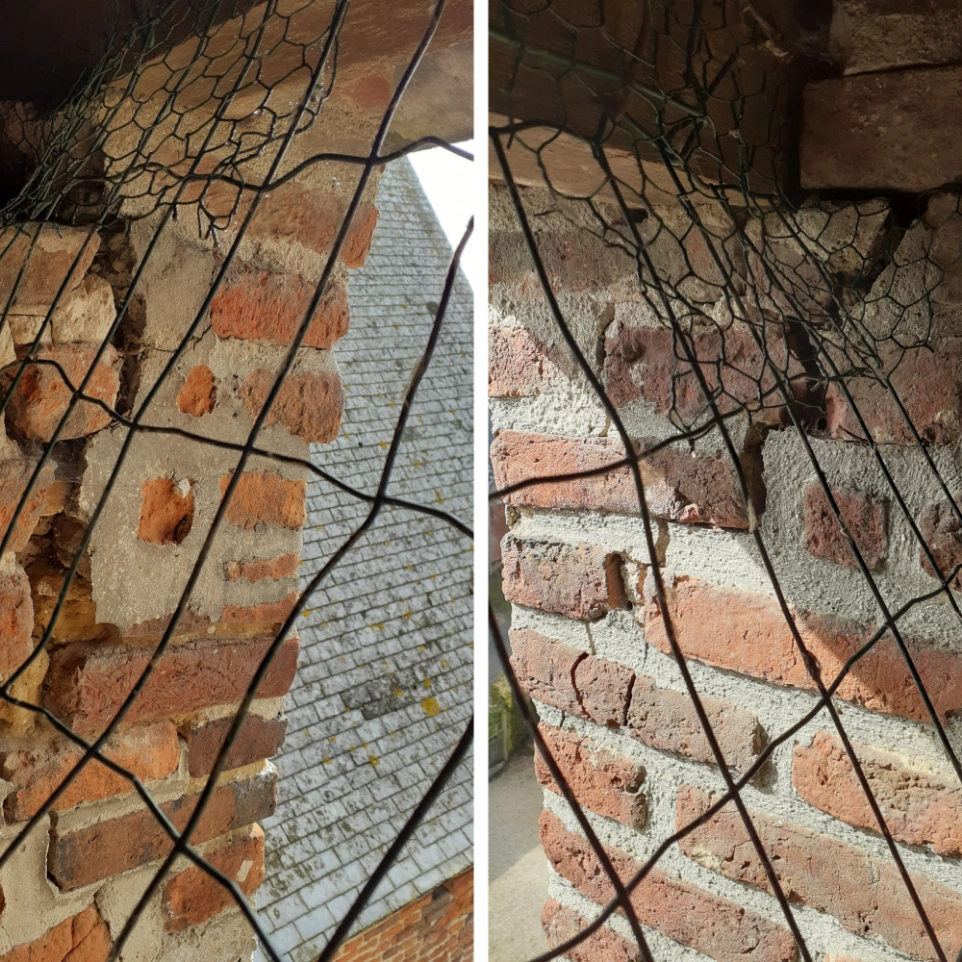
Shear of the masonry
Due to the natural movements of the framework, some masonry shows signs of deformation that require monitoring and consolidation work to sustainably preserve the stability of the building.
Moisture in the walls
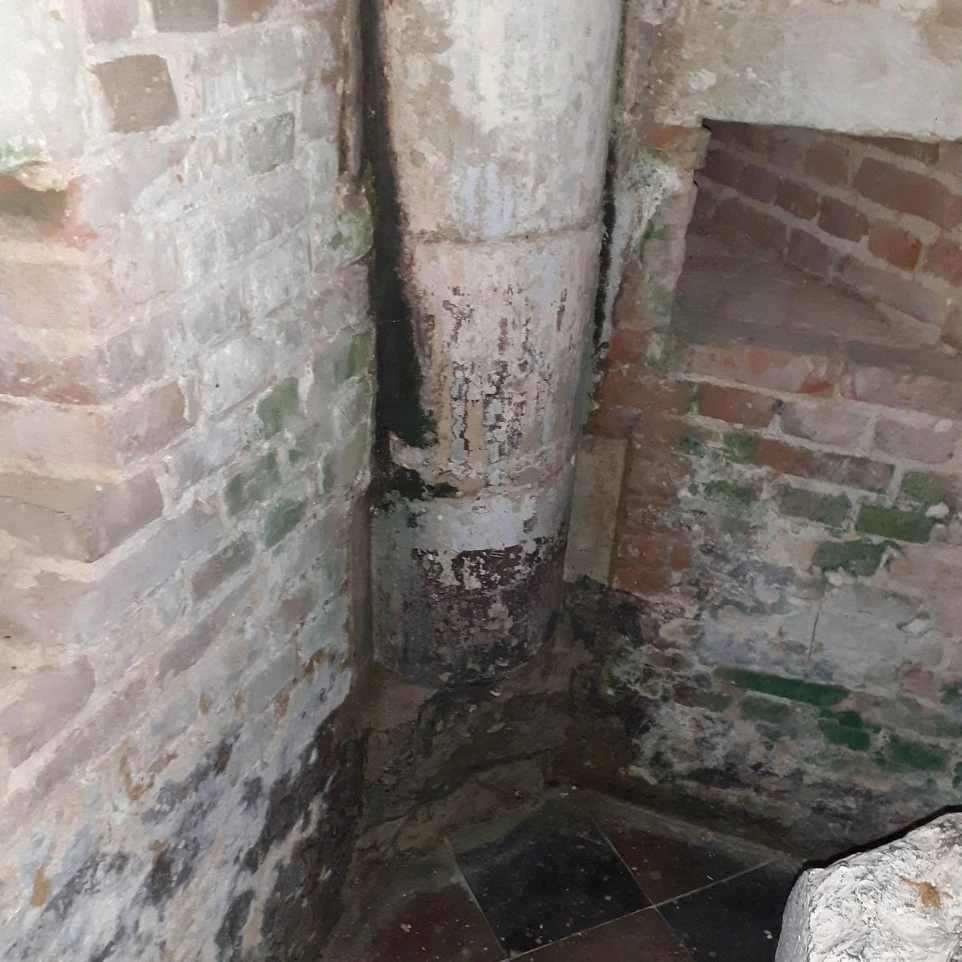
Persistent moisture slowly degrades the masonry and accelerates the wear of the materials that make up the church.
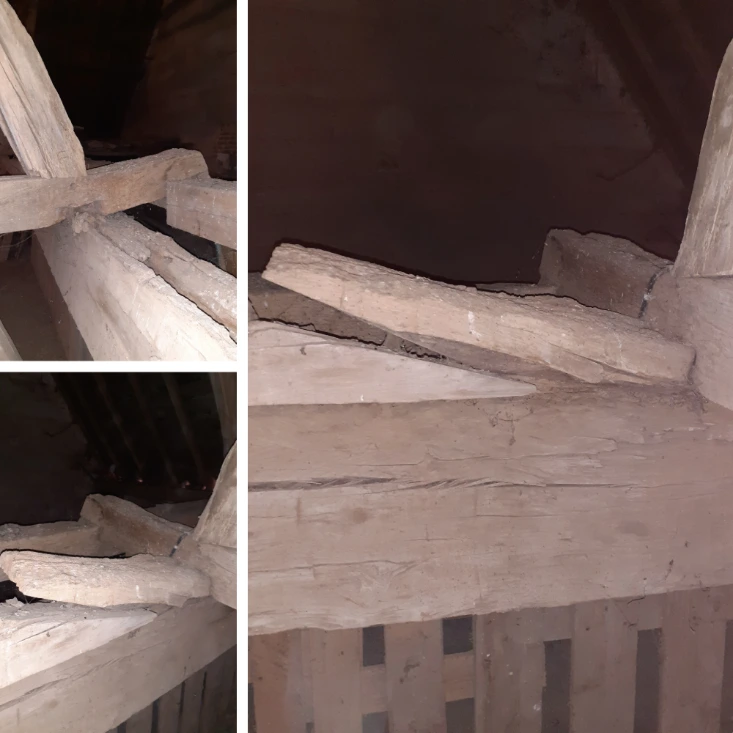
Settlement of a corbel
The settlement of this framework support alters the load distribution and can cause gradual deformations of the roof.
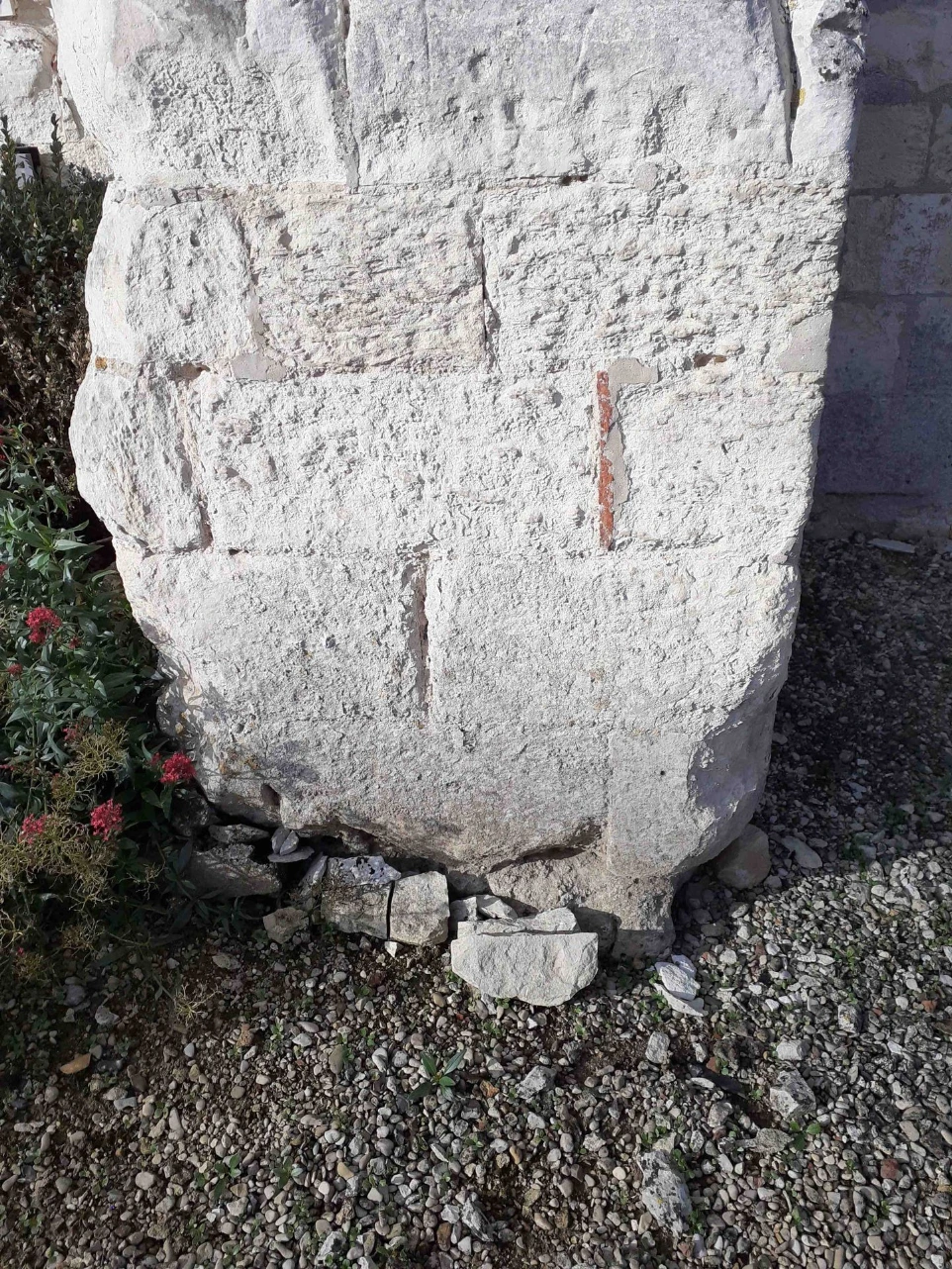
Spalling of stones
The gradual spalling of the stone weakens the masonry and can lead to the fall of fragments, while reducing the capacity of the walls to support the loads of the building.
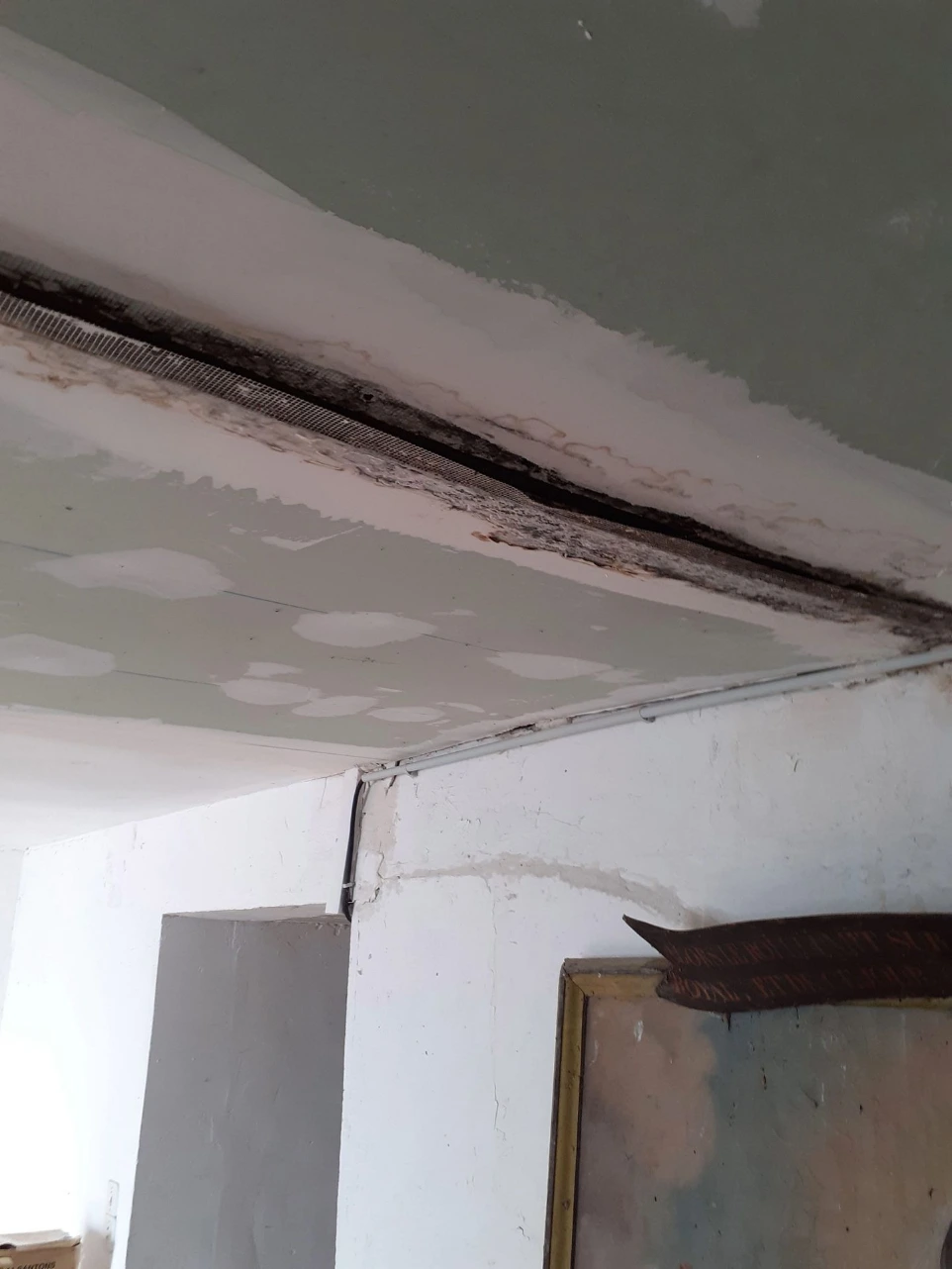
Roof leak
Water infiltrations gradually degrade the timber framework, accelerating the overall ageing of the church.
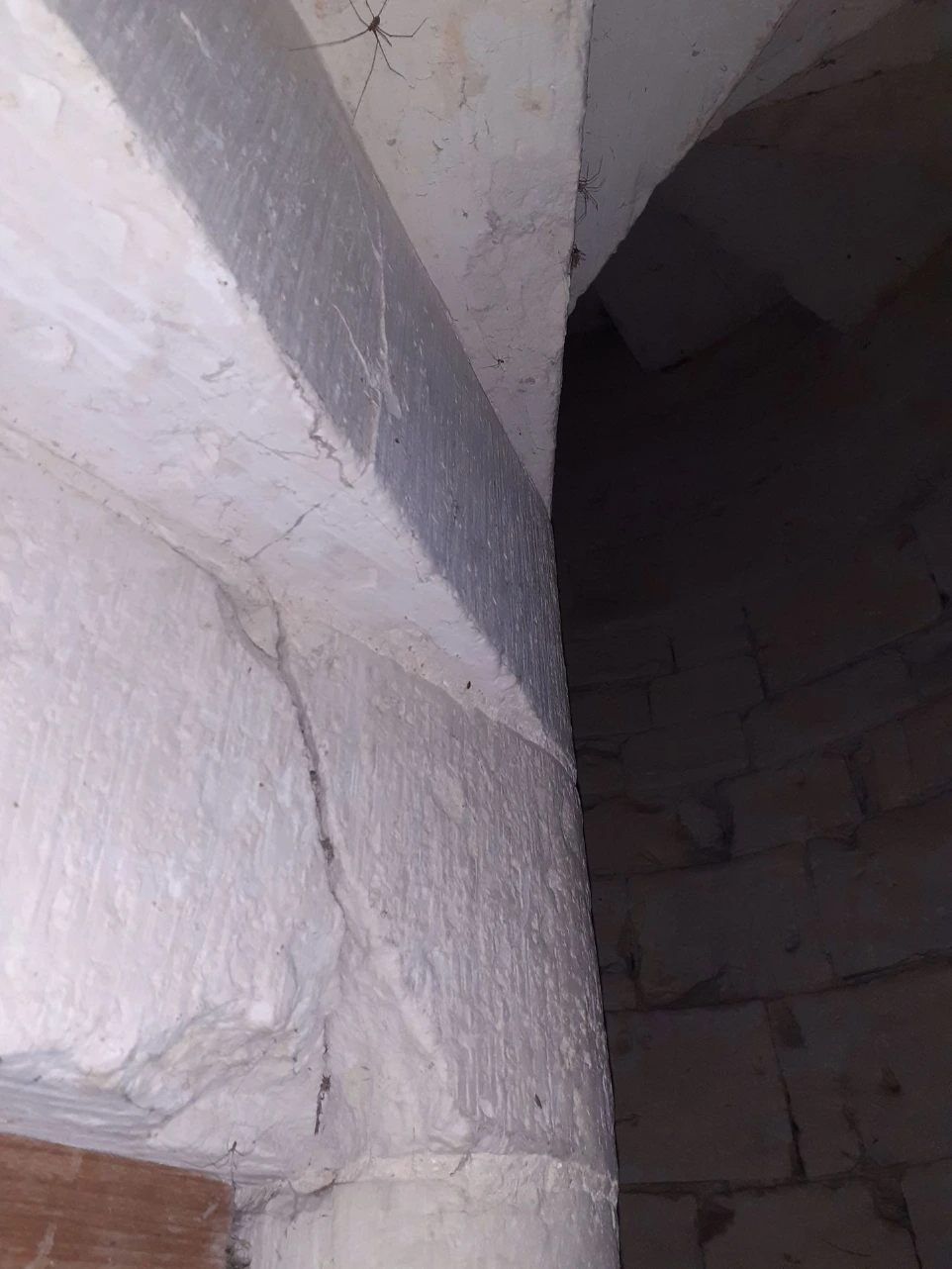
Crack Step tower part White
The appearance of cracks indicates movements in the structure and may, if it worsens, compromise the stability of the affected masonry.